
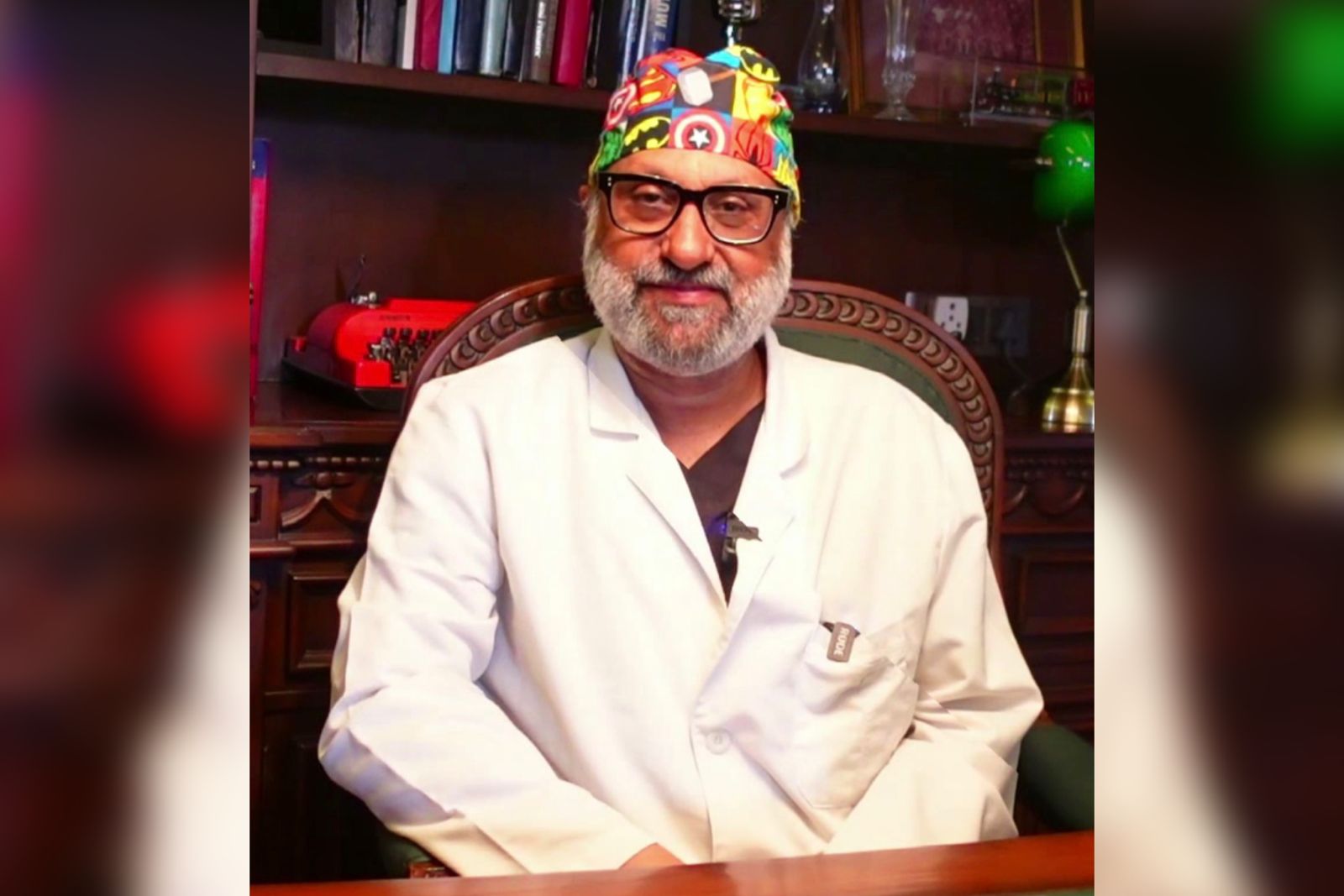
Mumbai & Mohali based hair transplant surgeon Dr. Tejinder Bhatti has completed two decades in the field of hair restoration, building a reputation for doctor-led procedures and long-term patient care at a time when India’s cosmetic surgery industry continues to expand rapidly.
India’s hair transplant market has seen major growth over the last decade, driven by rising awareness, medical tourism, and increasing demand among working professionals, actors, entrepreneurs, and younger patients facing hair loss. At the same time, the sector has also faced criticism over high-volume clinics where technicians often handle large parts of procedures with limited supervision from surgeons.
Against this backdrop, Dr. Bhatti’s approach has stood apart. Practicing from Mumbai and Mohali, he has continued to follow a single-patient surgical model where he remains directly involved throughout the transplant process. His long-followed philosophy, “One Patient. One Doctor. One Clinic,” has become closely associated with his work in the hair restoration field.
Ethical Hair Transplant Practices Gain Attention in India
As the cosmetic surgery market becomes more competitive, industry experts say patients are becoming more aware of the difference between high-volume clinics and personalized surgical care.
Many commercial centers now perform multiple procedures daily, often relying heavily on technicians for extraction and implantation stages. Hair restoration specialists warn that such practices can affect graft handling, hairline design, and donor area management if not monitored carefully.
Dr. Bhatti has continued to maintain a doctor-driven surgical process instead of scaling into a factory-style operation. According to patients and medical observers, this model has helped build long-term trust and consistency.
Over the years, patients from more than 60 countries have reportedly travelled to his clinics for treatment. Industry professionals say international demand for Indian hair transplant surgeons has increased due to lower treatment costs compared to Western countries, along with improvements in surgical standards and infrastructure.
Focus on Natural Hairlines and Long-Term Results
Hair transplant surgery has changed significantly in recent years. Earlier procedures often focused mainly on coverage. Today, patients expect natural hairlines, balanced density, and results that remain undetectable under close observation and high-definition cameras.
Dr. Bhatti has become known for his focus on natural-looking outcomes and careful donor area planning. Surgeons say donor management is one of the most important aspects of hair transplantation because poor extraction methods can permanently damage future restoration options.
Unlike clinics where multiple staff members handle different stages of the surgery, Dr. Bhatti reportedly supervises all critical steps personally. Hair restoration experts note that precise angle placement, graft survival, and density distribution require both surgical skill and aesthetic judgment.
This attention to detail has made personalized hair transplant procedures increasingly valued among patients seeking long-term outcomes rather than quick cosmetic fixes.
DHX Technique Becomes Part of Modern Hair Restoration Discussions
Among Dr. Bhatti’s notable contributions to the field is the development of the DHX hair transplant technique, a method designed to improve graft survival while maintaining natural hair direction and density patterns.
The technique combines extraction protocols with customized implantation planning. According to specialists in the field, reducing trauma to hair follicles during surgery remains one of the key factors in achieving consistent growth after transplantation.
Patients who undergo modern FUE-based procedures now expect shorter recovery periods and minimal visible scarring. Surgeons say evolving technology and refined implantation methods have helped improve healing times compared to older techniques.
Industry observers believe methods like DHX reflect the broader shift in hair restoration toward precision-based surgery rather than large-scale cosmetic processing.
Hospital-Based Procedures Seen as Safer Option
Another aspect that separates Dr. Bhatti’s practice from many standalone cosmetic clinics is his use of hospital infrastructure for surgeries. Procedures are conducted at 5 Rivers Hospital, a multi-specialty hospital in Mohali equipped for surgical and post-operative care.
Medical professionals say hospital-based procedures offer stronger sterilization systems, anesthesia support, and emergency preparedness compared to smaller setups operating without broader medical infrastructure.
Safety standards in cosmetic procedures have become an important topic in India over the past few years. Doctors say patients are now paying more attention to surgical environments and medical accountability before choosing treatment providers.
For international patients, hospital-linked procedures often provide additional reassurance regarding hygiene standards and emergency support availability.
Transparency Through Real Patient Documentation
Hair transplant clinics are often criticized for using heavily edited before-and-after images that fail to show realistic long-term outcomes. In response, some surgeons have started emphasizing long-duration patient follow-ups rather than short promotional material.
Dr. Bhatti has gained attention for documenting real patient growth patterns and transplant results over extended periods. Hair restoration specialists say long-term documentation is important because successful outcomes should remain natural years after surgery, not only during the first few months.
This approach has also helped prospective patients understand factors such as density maturity, graft survival, and donor area appearance over time.
Industry experts note that transparency is becoming increasingly important as patients conduct deeper online research before undergoing cosmetic procedures.
Wet Hair Test Introduced New Benchmark
Dr. Bhatti is also associated with the introduction of the “Wet Hair Test,” a method used to assess the natural appearance and density of transplanted hair under wet conditions.
Hair transplant professionals explain that wet hair often reveals inconsistencies in density and hairline construction more clearly than styled dry hair. The method became popular among patients because it provided a more realistic way to judge transplant quality.
According to industry observers, such evaluation methods have encouraged clinics to focus more on natural density placement and long-term realism instead of relying purely on marketing images.
Celebrity Demand Helped Normalize Hair Transplants
Over the years, hair transplant procedures have become more common among actors, athletes, entrepreneurs, and public personalities. Dr. Bhatti has reportedly treated several individuals from the entertainment and business sectors, helping increase visibility around modern hair restoration surgery.
Experts say celebrity acceptance has reduced stigma around cosmetic procedures in India. Younger patients today are more open about discussing hair loss and treatment options compared to previous generations.
At the same time, public visibility has increased pressure on surgeons to deliver highly refined and natural outcomes that remain undetectable both on screen and in real life.
Two Decades of Hair Restoration Practice
As India’s hair restoration market continues to expand, discussions around ethics, patient safety, transparency, and surgical quality are becoming more prominent.
Within this evolving industry, Dr. Tejinder Bhatti’s two-decade career reflects a practice model centered on controlled surgical work, direct patient interaction, and long-term planning rather than mass-volume procedures.
Mumbai & Mohali based, Dr. Bhatti remains one of India’s most recognized names in hair restoration surgery, particularly among patients looking for personalized care, realistic expectations, and medically supervised treatment outcomes.
